3D Organoids Culture

3D Organoid Culture Services Overview

Organoids, sophisticated 3D organ replicas grown in vitro, are vital in biomedical research, aiding disease modeling, drug testing, and understanding organ development. As part of our comprehensive in vitro biology services, KYinno excels in cultivating organoids from diverse tumor tissues, collaborating closely with cancer hospitals to ensure translational relevance, often supported by elisa assay services. Our expertise extends to comprehensive drug testing and advanced genomic analyses through next-generation sequencing (NGS) services, and can be integrated with cancer cell line panel screening to complement organoid-based studies with broader cellular profiling. 

KYinno’s unique contribution lies in formulating and testing biomarker hypotheses, enhancing our understanding of cancer-related processes. This holistic approach facilitates the development of precise, targeted therapies, improving patient outcomes. KYinno’s pivotal role in advancing organoid-based research is reshaping modern healthcare by bridging the gap between laboratory discoveries and clinical applications, ultimately transforming the landscape of disease treatment and patient care.
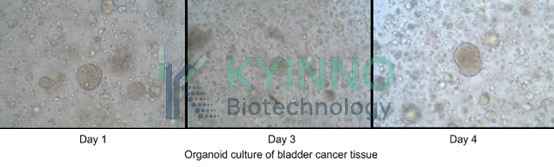
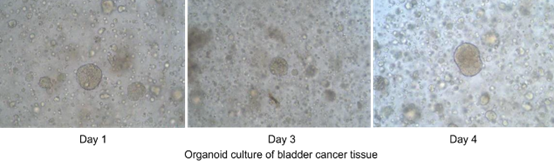
organoid culture of bladder cancer tissue

3D Organoid Culture Service Workflow

Our standardized Organoid Technology workflow is designed for reproducibility, flexibility, and compatibility with a wide range of in vitro model system applications in cancer research, infectious diseases, and personalized medicine.

1. Tumor Tissue Acquisition & Sample Preparation

We process primary tissue from surgical resections or biopsies, including patient-derived organoids and epithelial organoids from diverse tumor types. This step involves isolating adult stem cells or intestinal stem cells from human organs and embedding them in an extracellular matrix rich in ECM proteins to support growth.

2. Organoid Initiation & Long-Term Culture

Using advanced 3D cell cultures and 3D Cell Culture Protocols, we establish stable organoid lines under optimized growth conditions, supplemented with defined growth factors. Both manual organoid culturing and bioreactor system approaches are available for scalability, with inline sensors to maintain environmental control.

3. Drug Exposure & Phenotypic Assessment

Candidate compounds are introduced following 2D monolayer pre-screening or directly into high-throughput screens. Outcomes are measured through functional assays, high-content imaging, and confocal imaging systems, supported by 3D image analysis software such as IN Carta Image Analysis Software.

4. Genomic Analysis Integration

We combine phenotypic data with STR analysis, NGS, and genetic mutations profiling to support genetic disorders research and preclinical research applications.

5. High-Throughput Compatibility

Organoid assays can be automated for drug screening campaigns, organoid systems modeling, and compound testing in reproducible batches with quality assurance and standardized PDO volume for consistency.

Available 3D Organoid Culture and Customization Options

Kyinno offers flexible organoid culture models, including:

  • Common Tumor Types – Colorectal, bladder, gastric, breast, and other solid tumors.
  • Custom Applications – Compatibility with compound screening, CRISPR-based gene editing, and genetic knockdown studies.
  • Optional Integrations – Imaging analysis, FACS-based phenotyping, and transcriptomics for multi-layered data insights.

Why Choose Kyinno Bio for Organoid-Based Research?

  • Access to diverse clinical tumor samples through hospital collaborations.
  • Proven protocols for establishing and maintaining stable organoid lines over multiple passages.
  • Expertise in correlating organoid drug sensitivity data with genomic biomarkers.
  • Support for biomarker hypothesis generation and validation to inform translational strategies.

Our approach ensures organoid-derived data is directly applicable to preclinical and early clinical research, making it an invaluable bridge between laboratory studies and patient care.

Applications of 3D Organoid Models in Drug Discovery

Our 3D organoid lines and organoid systems have broad applications:
  • Functional assays for evaluating drug candidates on patient-derived organoids to predict patient-specific efficacy.
  • Investigating resistance and sensitivity mechanisms in cancer research and infectious diseases.
  • Developing personalized medicine strategies using combined phenotypic and genomic readouts.
  • Modeling tumor microenvironment interactions and testing immune-modulating agents.
These models can replace or complement animal models, reducing variability and improving clinical predictability.

Get Started with 3D Organoid Culture Service

Partner with Kyinno Bio to access advanced Organoid Technology and organoid production workflows tailored to your research goals. Whether you require gastric organoids, intestinal stem cells models, or customized in vitro cell culture models, we deliver reproducible batches that meet strict quality assurance standards. Contact us today to discuss General Inquiries, sample submission, and project design.

All In Vitro Services

2D Cell Proliferation Assay

The 2D Cell Proliferation Assay, a primary method for cell growth studies, focuses on tumor cells cultured in suspension or monolayers. It allows for comprehensive analysis, highlighting cell development dynamics.
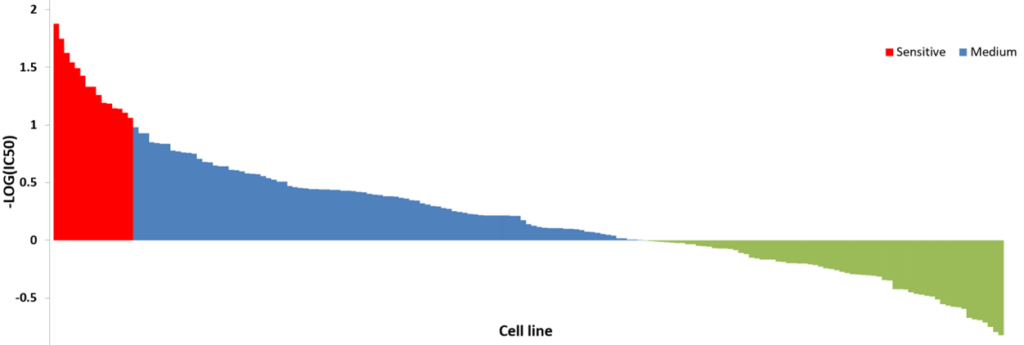
The utility of tumor cell lines as research models and drug discovery tools is significantly enhanced by understanding the genetic abnormalities driving their phenotypes. Kyinno’s MegaScreen cell panel screening service provide tailored studies for drug discovery and biomarker development programs.
Organoids, sophisticated 3D organ replicas grown in vitro, are vital in biomedical research, aiding disease modeling, drug testing, and understanding organ development. KYinno excels in cultivating organoids from diverse tumor tissues, collaborating closely with cancer hospitals to ensure translational relevance.

Internalization Assay evaluates cellular absorption rates of monoclonal antibodies, vital for advancing anti-cancer and anti-inflammatory therapies. This process is essential for developing anti-cancer and anti-inflammatory treatments and refining oncology and inflammation treatments.
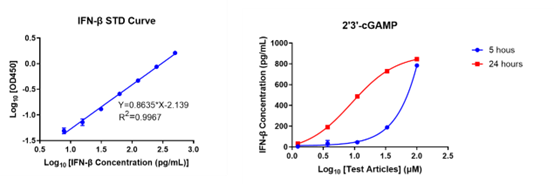
An ELISA assay is an indispensable technique that stands out for its high sensitivity and specificity in antigen-antibody binding interactions. Its precision ensures it remains the preferred choice for many immune response studies.
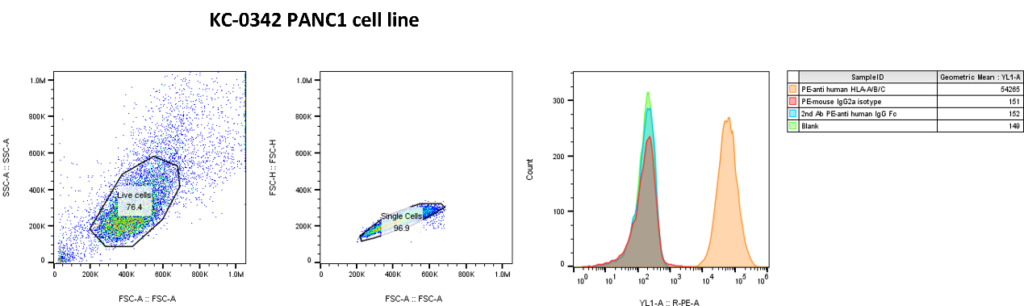
A FACS Binding Assay or Fluorescence-Activated Cell Sorting is a pivotal cellular biology research technique for binding evaluation. It offers insights into cellular binding mechanisms, enriching our understanding of cell interactions.
Immuno-Oncology Assay is a core tool in tumor immunology, providing detailed information designed to analyze interactions between tumors and immune responses.This deep understanding accelerates advancements in tumor immunology research.
ADCC Assay measures antibody efficacy in biological research. A standard method for understanding antibody performance. It rigorously tests their functionality and efficacy, providing insights into antibody-mediated cell destruction processes.