KC-7016

VCaP-ACP3 Cell Line

×
68794
Home » Cell Lines » VCaP-ACP3 Cell Line

Background of VCaP-ACP3 Cell Line

The human ACP3 (Acid Phosphatase 3, currently designated ACPP, encoding prostatic acid phosphatase, PAP) gene maps to chromosome 3q21.1 and encodes a glycoprotein of the histidine acid phosphatase family, existing as a lysosomal isoform (LAPAP) and a secretory isoform (sPAP) generated through alternative translational start sites and mRNA splicing. The secretory form is a non-covalent homodimer with N-linked glycosylation sites; its enzymatic activity depends on a catalytic histidine residue and hydrolyzes phosphomonoesters at acidic pH, participating in phosphate metabolism. ACP3/PAP is predominantly and abundantly expressed by prostatic ductal epithelial cells—the highest secretory output among human tissues—and was among the earliest serologic tumor biomarkers for prostate cancer (widely used diagnostically before being superseded by PSA), markedly elevated in patients with osteoblastic bone metastases. Recent studies reveal that PAP, as a self-antigen, can induce CD8⁺ T-cell tolerance upon antigen presentation, and its overexpression in prostate cancer has established it as a target for therapeutic vaccines (e.g., PROSTVAC, rVA-PAP) and chimeric antigen receptor T-cell (CAR-T) immunotherapy, with PAP-targeted vaccination inducing antitumor responses in preclinical models. Moreover, PAP is expressed in neurons, contributing to neurite outgrowth and chronic pain signaling, emerging as a novel molecular target in neuropathic pain research with translational significance.

Specifications

Catalog NumberKC-7016
Cell Line NameVCaP-ACP3 Cell Line
NCBI/UniProt Accession NumberNM_001134194.1
Clone Numberpool
Host Cell LineVCaP
DescriptionStable VCaP clone expressing exogenous ACP3 gene
QuantityOne vial of frozen cells (≥2×10⁶ cells)
StabilityStable in culture over a minimum of 10 passages
ApplicationDrug screening and biological assays
Freezing Medium70% DMEM + 20% FBS + 10% DMSO
Propagation MediumDMEM + 20%FBS + 2 μg/mL Puromycin
Selection MarkerPuromycin
MorphologyEpithelial
SubcultureSplit saturated culture 1:2-1:3 every 4-5 days; seed out at about 1-3 × 10⁵ cells/mL
Incubation37 °C with 5% CO2
StorageLiquid nitrogen immediately upon receiving
Doubling TimeApproximately 60‑96 hours
Mycoplasma StatusNegative

Cell Line Generation

VCaP-ACP3 Cell Line was generated using a lentiviral vector expressing the ACP3 sequence.

Characterization

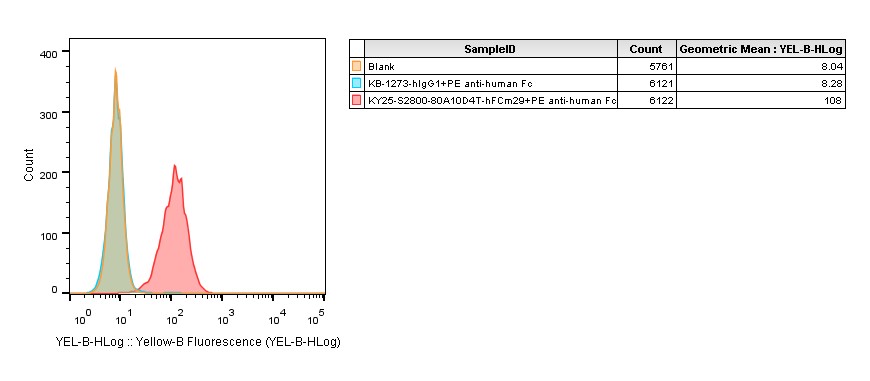
Figure 1: Characterization of endogenous ACP3 expression in VCaP cell using FACS.

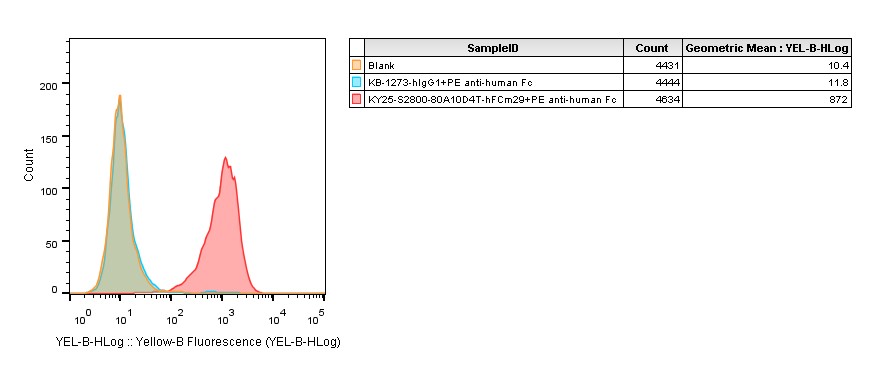
Figure 2: Characterization of ACP3 overexpression in the VCaP-ACP3 stable clone using FACS.

Figure 3: Characterization of ACP3 in the VCaP-ACP3 stable clone using PCR sequencing.

Cell Resuscitation

  1. Prewarm culture medium (DMEM + 20%FBS + 2 μg/mL Puromycin) in a 37°C water bath.
  2. Thaw the frozen vial in a 37°C water bath for 1-2 minutes.
  3. Transfer the vial into biosafety cabinet, and wipe the surface with 70% ethanol.
  4. Unscrew the top of the vial and transfer the cell suspension gently into a sterile centrifuge tube containing 9.0mL complete culture medium.
  5. Spin at ~ 125 × g for 5-7 minutes at room temperature, and discard the supernatant without disturbing the pellet.
  6. Resuspend cell pellet with the appropriate volume of complete medium and transfer the cell suspension into a T25 culture flask.
  7. Incubate the flask at 37°C, 5% CO2 incubator.
  8. Split saturated culture 1:2-1:3 every 4-5 days; seed out at about 1-3 × 10⁵ cells/mL.

Cell Freezing

  1. Prepare the freezing medium (70% DMEM + 20% FBS + 10% DMSO) fresh immediately before use.
  2. Keep the freezing medium on ice and label cryovials.
  3. Transfer cells to a sterile, conical centrifuge tube, and count the cells.
  4. Centrifuge the cells at 250×g for 5 minutes at room temperature and carefully aspirate off the medium.
  5. Resuspend the cells at a density of at least 3×10⁶ cells/mL in chilled freezing medium.
  6. Aliquot 1 mL of the cell suspension into each cryovial.
  7. Freeze cells in the CoolCell freezing container overnight in a -80°C freezer.
  8. Transfer vials to liquid nitrogen for long-term storage.

References

  1. Seifert KE, Reimann J, Rust M, Bögemann M, Schrader AJ, Schäfers M, Bernemann C, Backhaus P. The prostatic acid phosphatase in prostate cancer: A novel theranostic target. Semin Nucl Med. 2026 Jul;56(4):748-758. doi: 10.1053/j.semnuclmed.2026.03.004. Epub 2026 Apr 1. PMID: 41925410.
  2. Liang SH. ACP3-targeted PET imaging agents based on small-molecule ligands for prostate cancer diagnostics and theranostics. Am J Nucl Med Mol Imaging. 2026 Jun 25;16(3):157-161. doi: 10.62347/LKNT6446. PMID: 42495193; PMCID: PMC13394474.

Use License Agreement

Research Use Only.
Not for use in diagnostic procedures or therapeutic applications.
Redistribution of the cell line or its derivatives is prohibited without prior written permission from Kyinno Biotechnology.