KC-6998

293T-rat-NKG2D-Low Cell Line

×
68848
Home » 293T-rat-NKG2D-Low Cell Line

Background of 293T-rat-NKG2D-Low Cell Line

KLRK1 encodes killer cell lectin like receptor K1 and is also known as KLR. Natural killer (NK) cells are lymphocytes that can mediate lysis of certain tumor cells and virus-infected cells without previous activation. They can also regulate specific humoral and cell-mediated immunity. NK cells preferentially express several calcium-dependent (C-type) lectins, which have been implicated in the regulation of NK cell function. The NKG2 gene family is located within the NK complex, a region that contains several C-type lectin genes preferentially expressed in NK cells. This gene encodes a member of the NKG2 family. The encoded transmembrane protein is characterized by a type II membrane orientation (has an extracellular C terminus) and the presence of a C-type lectin domain.

Specifications

Catalog NumberKC-6998
Cell Line Name293T-rat-NKG2D-Low Cell Line
NCBI/UniProt Accession NumberNM_133512.2
Clone Number11#
Host Cell Line293T
Description293T-rat-NKG2D-Low is a stable engineered cell line expressing rat NKG2D
QuantityOne vial of frozen cells (≥2×10⁶ cells/vial)
StabilityStable in culture over a minimum of 10 passages
ApplicationDrug screening and biological assays
Freezing Medium70% DMEM+20% FBS+10% DMSO
Propagation MediumDMEM+10%FBS+1μg/mL puromycin
Selection MarkerPuromycin
MorphologyEpithelial
SubcultureSplit at a ratio of 1:4–1:8 every 2–3 days
Incubation37 °C with 5% CO₂
StorageLiquid nitrogen immediately upon receiving
Doubling TimeEstimated 16–36 hours
Mycoplasma StatusNegative
In Vivo ValidationNA

Cell Line Generation

293T-rat-NKG2D-Low cell line was generated using a lentiviral vector expressing the rat NKG2D sequence.

Characterization

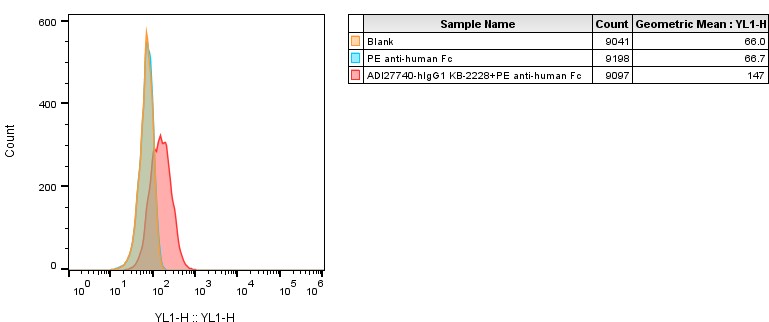
Figure 1: Characterization of rat-NKG2D overexpression in the 293T-rat-NKG2D stable clone using FACS.

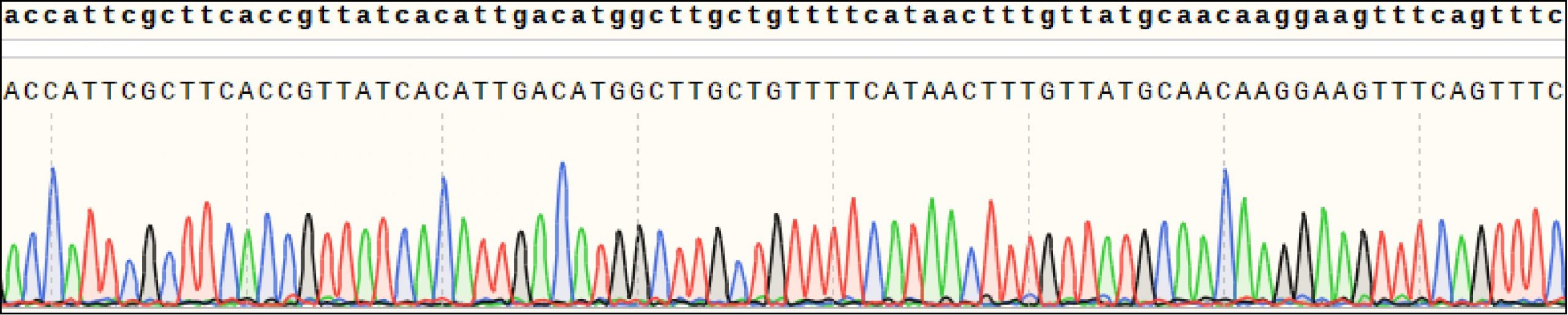
Figure 2: Characterization of rat-NKG2D overexpression in the 293T-rat-NKG2D stable clone using PCR.

Cell Resuscitation

  1. Pre-warm complete culture medium (basal medium and 10% FBS) in a 37°C water bath.
  2. Rapidly thaw the cryovial in a 37°C water bath for 1-2 minutes with gentle agitation.
  3. Transfer the vial to a biosafety cabinet, and disinfect the exterior with 70% ethanol.
  4. Aseptically transfer the cell suspension dropwise into a sterile centrifuge tube containing 9.0 mL of pre-warmed complete medium.
  5. Centrifuge at approximately 125 × g for 5–7 minutes at room temperature, carefully aspirate the supernatant without disturbing the cell pellet.
  6. Gently resuspend the pellet in an appropriate volume of complete medium and transfer the suspension into a T25 flask.
  7. Incubate the flask in a 37°C in a humidified 5% CO₂ incubator.
  8. Assess cell viability and morphology after 24 hours. If cells appear healthy, replace the medium with fresh medium supplemented with the appropriate selective antibiotic.
  9. Subculture the cells at a ratio of 1:4–1:8 every 2–3 days upon reaching 80%–90% confluency.

Cell Freezing

  1. Prepare the freezing medium (70% basal medium, 20% FBS and 10% DMSO) freshly before use.
  2. Pre-chill the freezing medium on ice and label the cryovials accordingly.
  3. Transfer the cell suspension to a sterile conical tube and perform a cell count to determine total viability and density.
  4. Centrifuge the cells at 250×g for 5 minutes at room temperature; carefully aspirate the supernatant.
  5. Gently resuspend the pellet in chilled freezing medium, ensuring a minimum cell density of 3×10⁶ cells/mL.
  6. Aliquot 1 mL of the cell suspension into each pre-labeled cryovial.
  7. Place the cryovials into a CoolCell® container and store at -80°C overnight for controlled-rate cooling.
  8. Transfer the cryovials to the liquid nitrogen for long-term storage the following day.

References

  1. Cheng J, Wang D, Zhang Q et al. Identification of ITGB2, ELN, and KLRK1 as stress granule-related biomarkers of pterygium through integrated transcriptomic analysis and machine learning. Biochemical and biophysical research communications. 2026 Sep 10;830:154275. PMID: 42447550. doi: 10.1016/j.bbrc.2026.154275.
  2. Weiss E, Kulovic-Sissawo A, van Bergen AS et al. Downregulation of the Long Non-Coding RNA KLRK1-AS1 Disturbs Endothelial Barrier Integrity and Promotes Angiogenic Sprouting. Life (Basel, Switzerland). 2026 Feb 5;16(2):. PMID: 41752917. doi: 10.3390/life16020279.
  3. Sorroche BP, de Jesus Teixeira R, de Souza VG et al. CD24, NFIL3, FN1, and KLRK1 signature predicts melanoma immunotherapy response and survival. Journal of molecular medicine (Berlin, Germany). 2025 Jun;103(6):725-737. PMID: 40317346. doi: 10.1007/s00109-025-02550-z.

Use License Agreement

Research Use Only.
Not for use in diagnostic procedures or therapeutic applications.
Redistribution of the cell line or its derivatives is prohibited without prior written permission from Kyinno Biotechnology.