KC-6997
KLRK1 encodes killer cell lectin like receptor K1 and is also known as KLR. Natural killer (NK) cells are lymphocytes that can mediate lysis of certain tumor cells and virus-infected cells without previous activation. They can also regulate specific humoral and cell-mediated immunity. NK cells preferentially express several calcium-dependent (C-type) lectins, which have been implicated in the regulation of NK cell function. The NKG2 gene family is located within the NK complex, a region that contains several C-type lectin genes preferentially expressed in NK cells. This gene encodes a member of the NKG2 family. The encoded transmembrane protein is characterized by a type II membrane orientation (has an extracellular C terminus) and the presence of a C-type lectin domain.
| Catalog Number | KC-6997 |
|---|---|
| Cell Line Name | 293T-rat-NKG2D Cell Line |
| NCBI/UniProt Accession Number | NM_133512.2 |
| Clone Number | 1# |
| Host Cell Line | 293T |
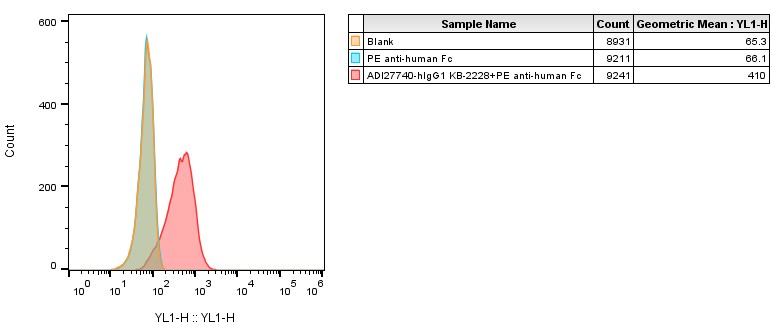
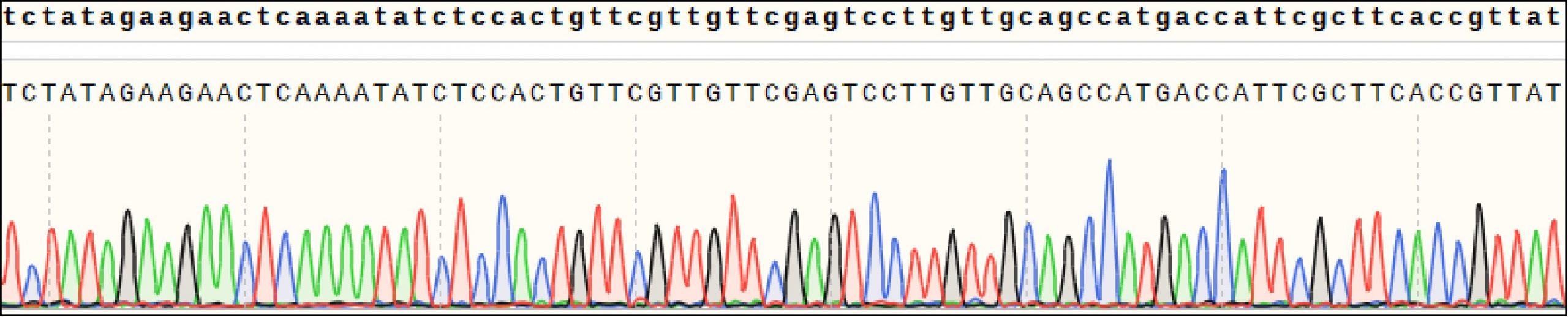
| Description | 293T-rat-NKG2D is a stable engineered cell line expressing rat NKG2D |
| Quantity | One vial of frozen cells (≥2×10⁶ cells/vial) |
| Stability | Stable in culture over a minimum of 10 passages |
| Application | Drug screening and biological assays |
| Freezing Medium | 70% DMEM+20% FBS+10% DMSO |
| Propagation Medium | DMEM+10%FBS+1μg/mL puromycin |
| Selection Marker | Puromycin |
| Morphology | Epithelial |
| Subculture | Split at a ratio of 1:4–1:8 every 2–3 days |
| Incubation | 37 °C with 5% CO₂ |
| Storage | Liquid nitrogen immediately upon receiving |
| Doubling Time | Estimated 16–36 hours |
| Mycoplasma Status | Negative |
| In Vivo Validation | NA |