KC-7042

293T-GRIN2D-GRIN1 Cell Line

×
71435
Home » 293T-GRIN2D-GRIN1 Cell Line

Background of 293T-GRIN2D-GRIN1 Cell Line

GRIN1 encodes the obligatory GluN1 glycoprotein subunit of N‑methyl‑D‑aspartate receptor (NMDAR), whereas GRIN2D encodes the regulatory GluN2D subunit. They co‑assemble into heterotetrameric ligand‑gated cation channels. GRIN1 binds the co‑agonist glycine and GRIN2D recognizes glutamate, jointly relieving voltage‑dependent Mg²⁺ block to trigger transmembrane influx of Na⁺ and Ca²⁺, which mediates synaptic transmission, synaptic plasticity, neuronal development and calcium‑dependent signaling cascades. As an indispensable core subunit for receptor function, GRIN1 pathogenic variants cause developmental and epileptic encephalopathy, intellectual disability and other neurodevelopmental disorders. GRIN2D exhibits spatiotemporally restricted expression patterns; beyond the central nervous system, it is aberrantly expressed in multiple tumor types and modulates oncogenic proliferation, migration and tumor microenvironment remodeling. Both gain‑of‑function and loss‑of‑function mutations in GRIN2D alter electrophysiological signatures of NMDAR and disrupt neuronal excitatory‑inhibitory balance. GRIN1 and GRIN2D represent promising therapeutic targets for neurological diseases and malignancies, supporting the rational development of subunit‑selective small‑molecule modulators for clinical intervention.

Specifications

Catalog NumberKC-7042
Cell Line Name293T-GRIN2D-GRIN1 Cell Line
NCBI/UniProt Accession NumberNM_000836&NM_007327.4
Clone Number10#
Host Cell Line293T
DescriptionStable 293T cell line expressing exogenous GRIN2D and GRIN1 gene
QuantityOne vial of frozen cells (≥2×10⁶ cells)
StabilityStable in culture over a minimum of 10 passages
ApplicationDrug screening and biological assays
Freezing Medium70% DMEM + 20% FBS + 10% DMSO
Propagation MediumDMEM + 10% FBS + 1 μg/mL Puromycin + 150 μg/mL Hygromycin B
Selection MarkerPuromycin | Hygromycin B
MorphologyEpithelial
SubcultureSplit saturated culture 1:4-1:8 every 2-3 days
Incubation37 °C with 5% CO2
StorageLiquid nitrogen immediately upon receiving
Doubling TimeApproximately 30 hours
Mycoplasma StatusNegative

Cell Line Generation

293T-GRIN2D-GRIN1 cell line was generated using two lentiviral vectors expressing the GRIN2D and GRIN1 sequences separately.

Characterization

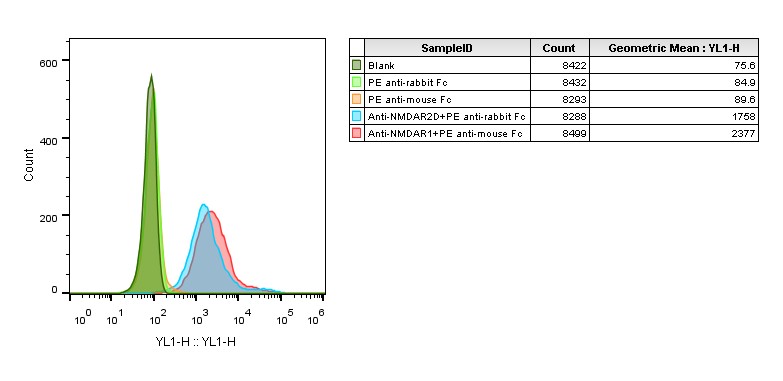
Figure 1: Characterization of GRIN2D and GRIN1 overexpression in the 293T-GRIN2D-GRIN1 stable clone using FACS.

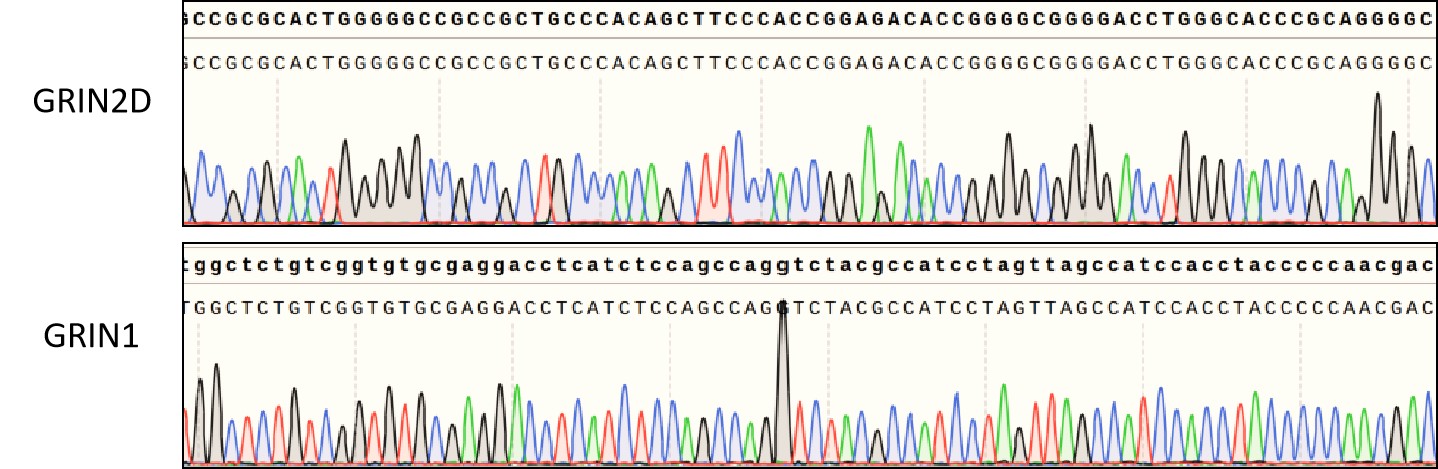
Figure 2: Characterization of GRIN2D and GRIN1 in the 293T-GRIN2D-GRIN1 stable clone using PCR sequencing.

Cell Resuscitation

  1. Pre-warm complete culture medium (DMEM + 10% FBS + 1 μg/mL Puromycin + 150 μg/mL Hygromycin B) in a 37°C water bath.
  2. Rapidly thaw the cryovial in a 37°C water bath for 1-2 minutes with gentle agitation.
  3. Transfer the vial to a biosafety cabinet, and disinfect the exterior with 70% ethanol.
  4. Aseptically transfer the cell suspension dropwise into a sterile centrifuge tube containing 9.0 mL of pre-warmed complete medium.
  5. Centrifuge at approximately 125 × g for 5–7 minutes at room temperature, carefully aspirate the supernatant without disturbing the cell pellet.
  6. Gently resuspend the pellet in an appropriate volume of complete medium and transfer the suspension into a T25 flask.
  7. Incubate the flask in a 37°C in a humidified 5% CO2 incubator.
  8. Assess cell viability and morphology after 24 hours. If cells appear healthy, replace the medium with fresh medium supplemented with the appropriate selective antibiotic.
  9. Subculture the cells at a ratio of 1:4-1:8 every 2-3 days upon reaching 80%–90% confluency.

Cell Freezing

  1. Prepare the freezing medium (70% DMEM + 20% FBS + 10% DMSO) freshly before use.
  2. Pre-chill the freezing medium on ice and label the cryovials accordingly.
  3. Transfer the cell suspension to a sterile conical tube and perform a cell count to determine total viability and density.
  4. Centrifuge the cells at 250×g for 5 minutes at room temperature; carefully aspirate the supernatant.
  5. Gently resuspend the cell pellet in chilled freezing medium, ensuring a minimum cell density of 3×10⁶ cells/mL.
  6. Aliquot 1 mL of the cell suspension into each pre-labeled cryovial.
  7. Place the cryovials into a CoolCell® container and store at -80°C overnight for controlled-rate cooling.
  8. Transfer the cryovials to the liquid nitrogen for long-term storage the following day.

References

  1. Yam M, Nassir J, Galber D, et al. A mouse model of GRIN2D developmental and epileptic encephalopathy recapitulates the human disease. Brain. 2025 Apr;148(11):3989‑4004. doi:10.1093/brain/awaf149.
  2. Zhang L, Zhu S, Zhu S, et al. Neuroimaging Features of GRIN‑Related Epilepsies. Brain Sci. 2025 Aug;15(17):9520. doi:10.3390/brainsci151709520MDPI.

Use License Agreement

Research Use Only.
Not for use in diagnostic procedures or therapeutic applications.
Redistribution of the cell line or its derivatives is prohibited without prior written permission from Kyinno Biotechnology.